Streamlining prosthetic manufacturing through workflow automation
Transforming manual prosthetic production into an automated, engineer-reviewed pipeline
Overview
We transformed a medtech company's internal prosthetic processing workflow into a structured, stage-based platform that improved visibility, streamlined engineer reviews, and simplified failure recovery throughout the manufacturing pipeline.
Business impact
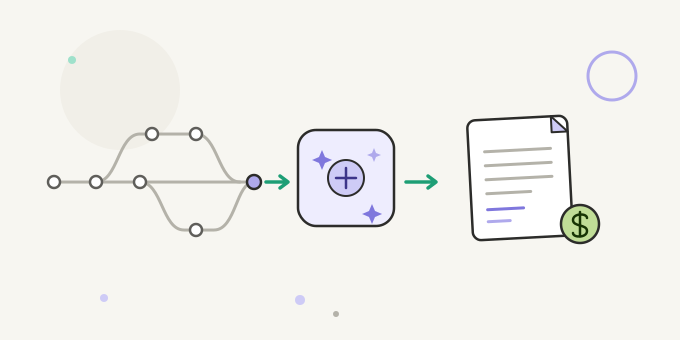
A redesigned task management workflow replaced a fragmented processing pipeline with a transparent, stage-driven experience, giving engineers greater control over reviews while creating a scalable foundation for future manufacturing automation.
- From manual coordination to a scalable automated processing pipeline
- Parallelized work order processing with asynchronous task execution
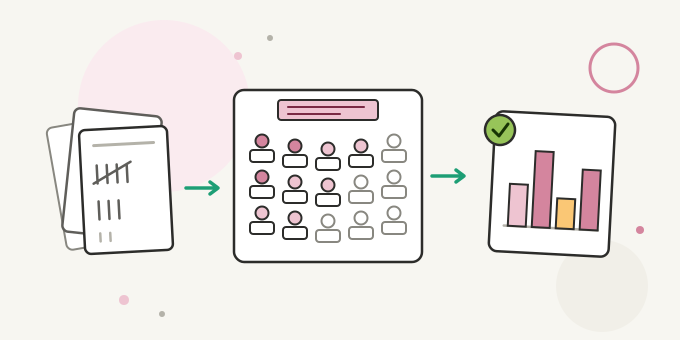
- Complete processing history and review visibility across every work order
Problem
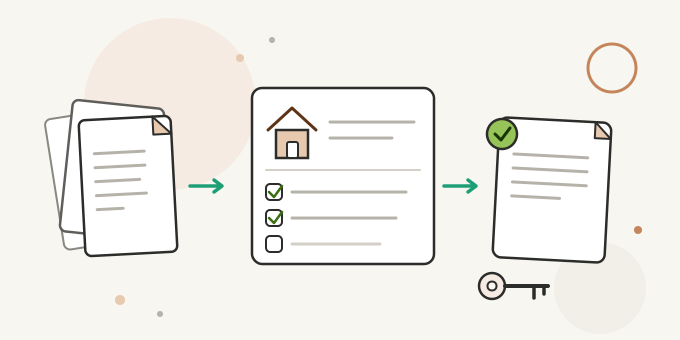
Before partnering with Zagaran, this company relied heavily on manual coordination, file handoffs, and engineer-driven tracking to manage prosthetic manufacturing. There was no centralized system for managing work orders, monitoring processing progress, or reviewing outputs across the manufacturing pipeline. As the volume and complexity of prosthetic processing increased, the lack of a structured workflow made it difficult to understand where tasks stood, identify failures, and consistently validate results before moving work forward.
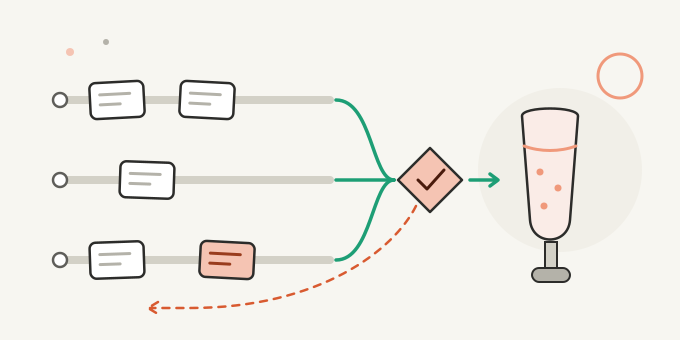
They needed a foundation that could transform a manual process into a scalable digital workflow. The solution needed to support multiple processing tasks running in parallel through an asynchronous pipeline, while still allowing engineers to step in at key points for review, modification, and approval. It also needed to create visibility into each stage of production, preserve processing history, simplify file management, and provide a reliable way to recover from failed tasks without losing previous progress.
Solution
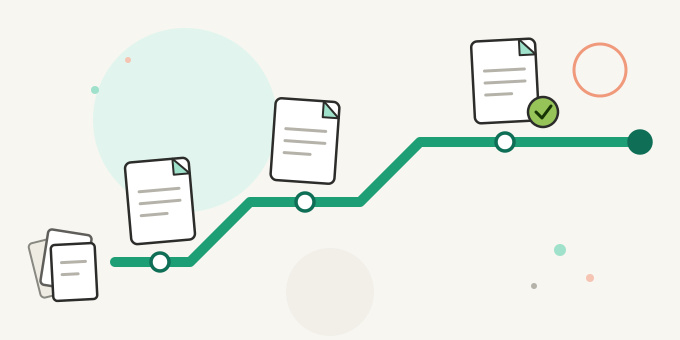
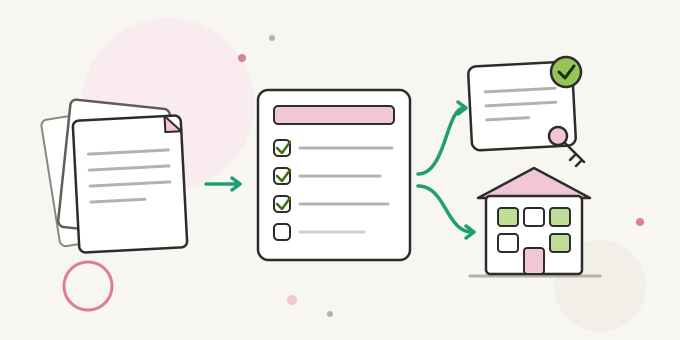
We designed and developed the task management experience around a structured, stage-by-stage workflow that guided engineers through reviewing, validating, and approving outputs before each processing stage advanced automatically.
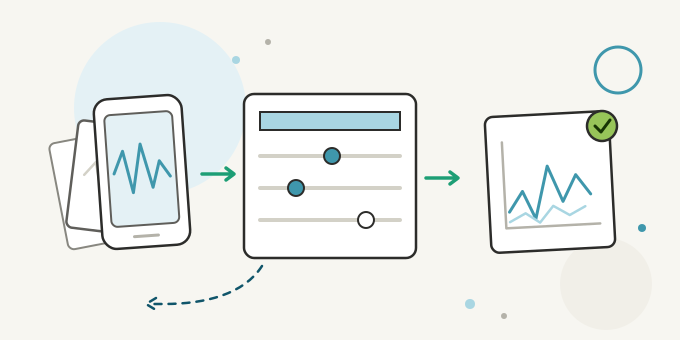
The platform introduced a two-panel workspace that surfaced processing status, review tasks, and supporting files in a single interface while providing immediate visibility into the overall health of a work order. Dedicated history tracking captured every processing attempt, enabling engineers to review previous failures, compare inputs and outputs, and restart tasks without losing prior progress.
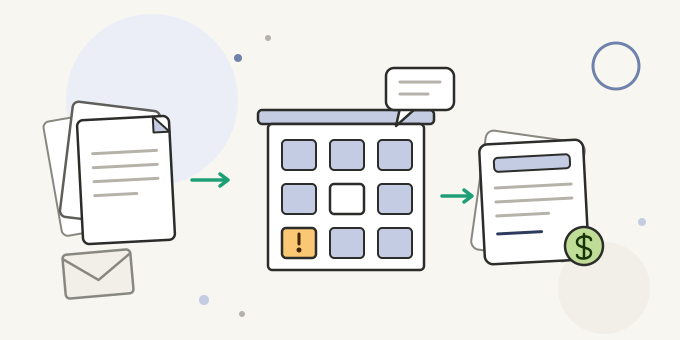
The workflow also streamlined file management through flexible bulk download capabilities, surfaced critical work order information throughout the workflow, and improved system transparency by clearly communicating automated processing states and failure conditions. Throughout development, the solution balanced user needs with technical constraints imposed by an existing architecture and aggressive delivery timeline.
Result
The new workflow transformed their manual manufacturing process into a structured, scalable platform that reduced the amount of engineering effort required to coordinate and support prosthetic production.
By replacing manual task tracking, file handling, and processing coordination with an asynchronous workflow pipeline, engineers could focus less on repetitive operational tasks and more on reviewing, validating, and improving manufacturing outputs. Parallel task execution, structured review stages, centralized processing history, and guided failure recovery gave the team greater control over a growing production pipeline while maintaining the flexibility needed for future automation.
The resulting foundation left them with a resilient manufacturing workflow capable of supporting additional processing stages, increased throughput, and continued platform growth.